For the last couple of weeks, I have been working on our InkFortnight art challenge. We had a fabulous time together. More on that soon. On the very first day of the challenge, I woke up to some fun news. Also, I had to deal with not-so-fun mistakes. I’m looking forward to chatting about how I deal with them on today’s Outside the Lines.
Please click on the thumbnails to see the photos –
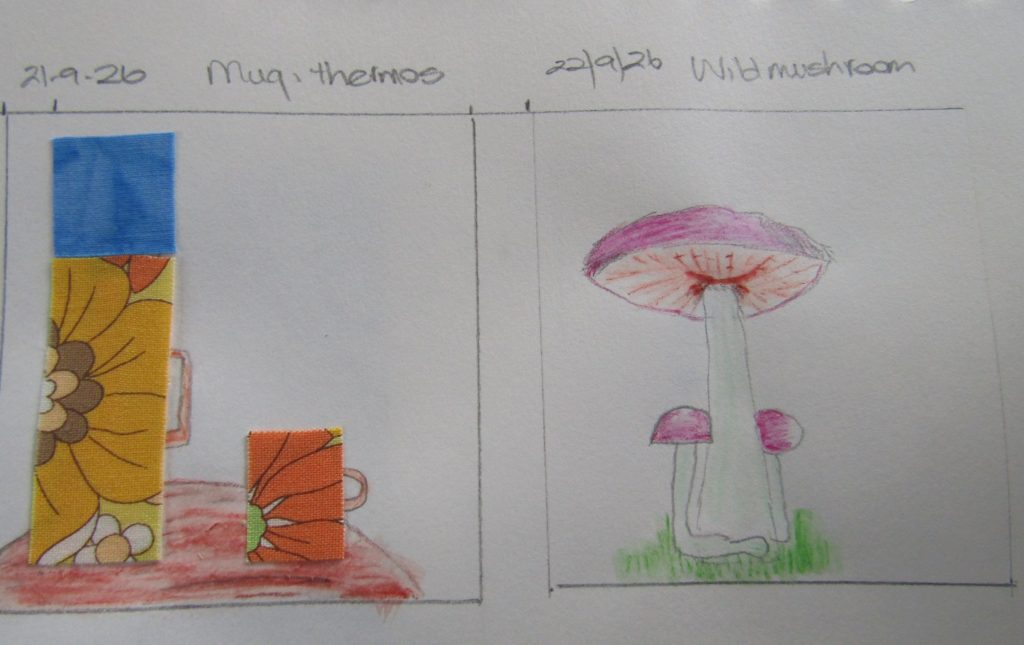
InkFortnight was a blast!! Sue, who is a quilter, took the plunge and joined us with lovely and clever fabric art AND a couple of paintings. I am so proud of her!
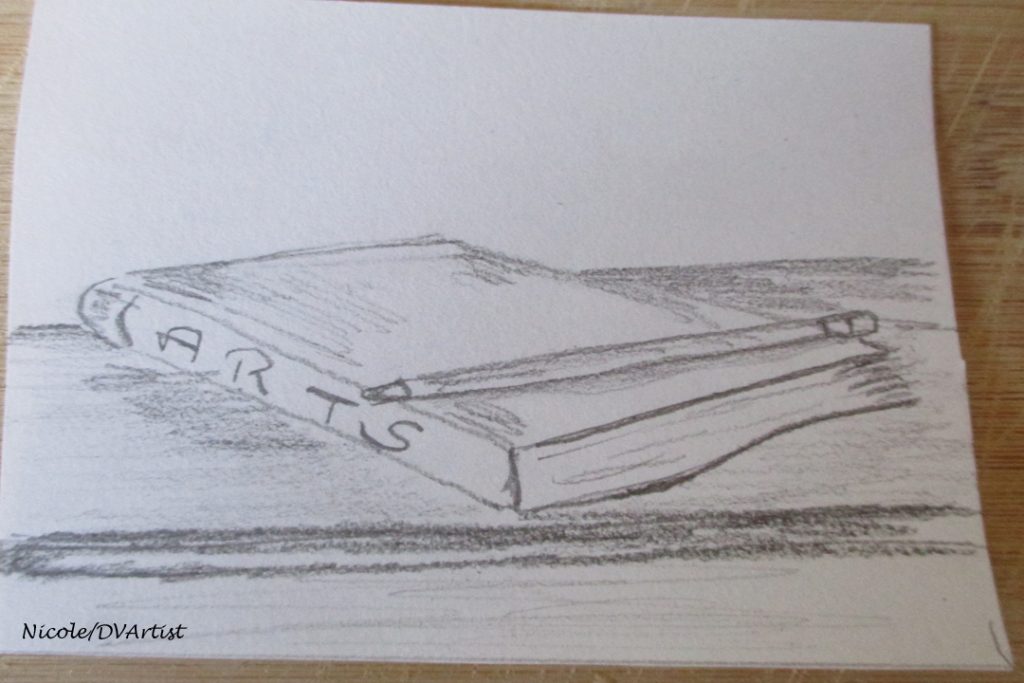
I love Nicole‘s graphite artwork that she shared.
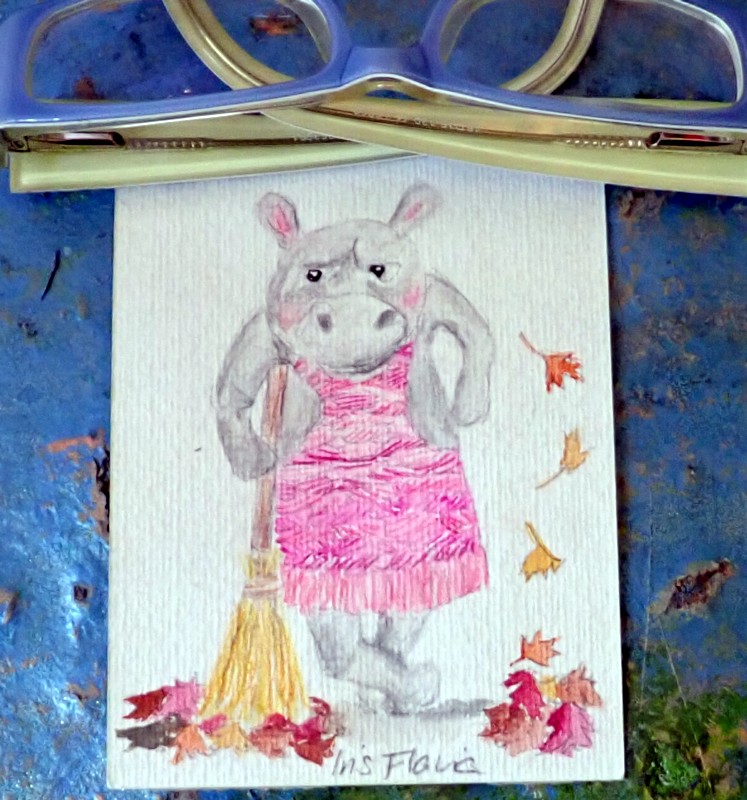
Iris Flavia joined in with her whimsical paintings, so fun!
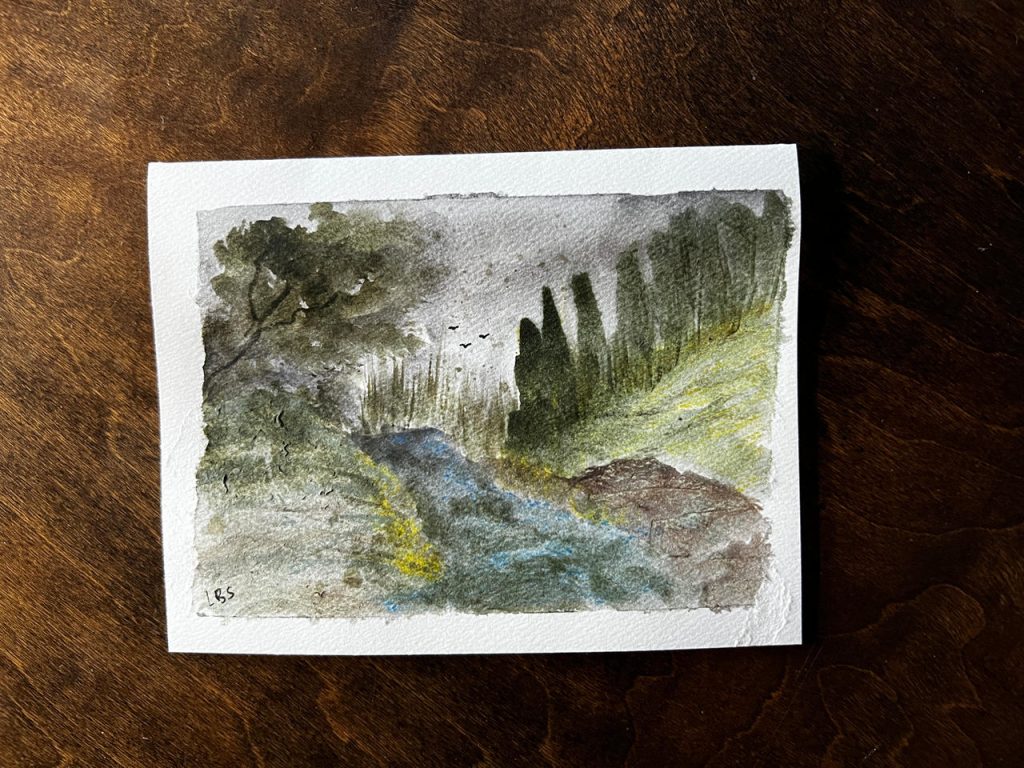
A fellow artist, ponycentric from Deviant Art, joined in with his artwork too, and gave me permission to share them here.
Last but certainly not least, my dear friend Dixie completely surprised me by joining in as well!
All together we have over 70 pieces of artwork, which was way more than I had hoped for in my very first year of hosting InkFortnight. Thanks so much, everyone!!
Please visit the InkFortnight Gallery page to see the artwork
Here are mine. I did two sets – ink and watercolor. I am only sharing the watercolor paintings here. The ink drawings are in the gallery along with other’s artworks.
Please click on the thumbnails to see the photos –
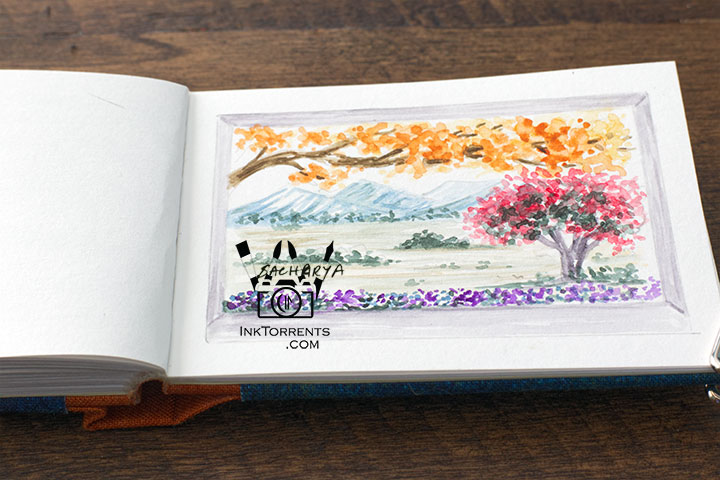
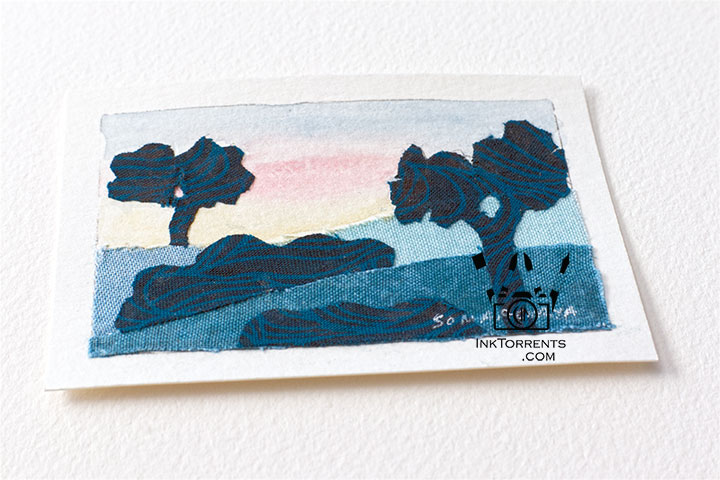
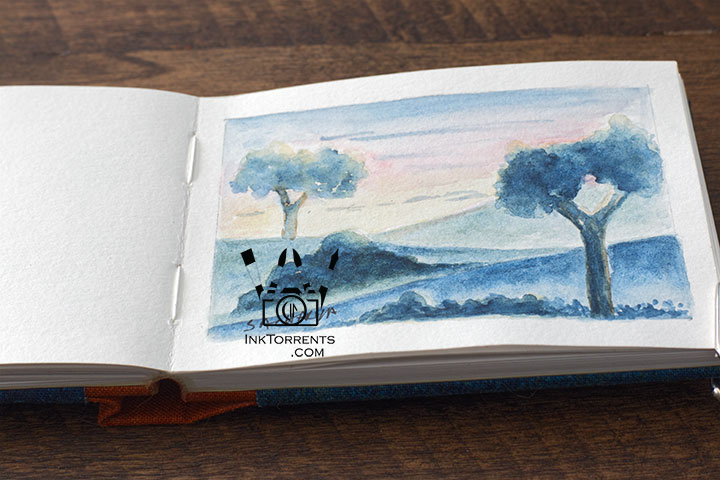
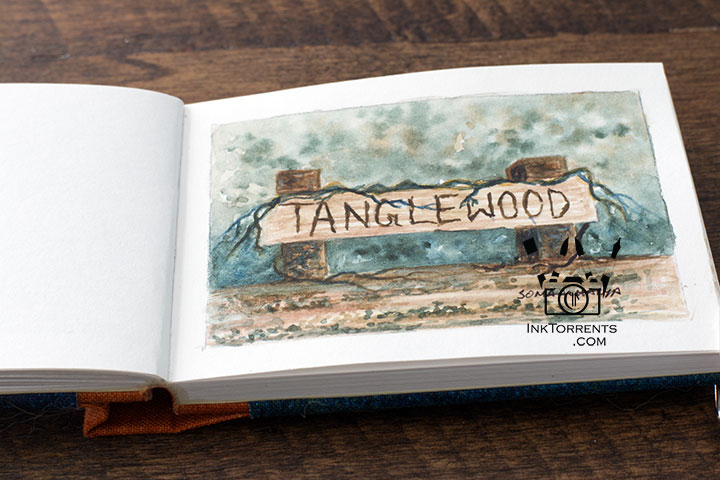
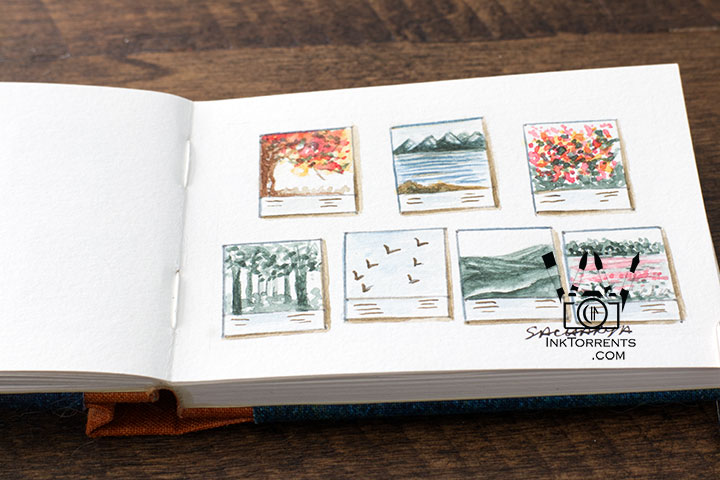
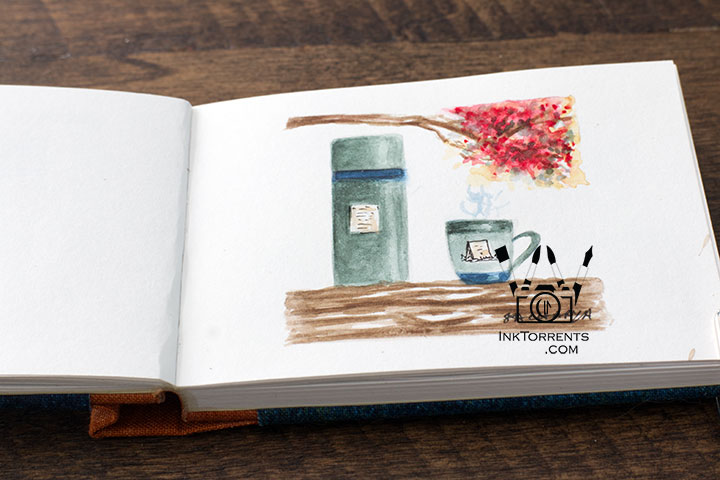
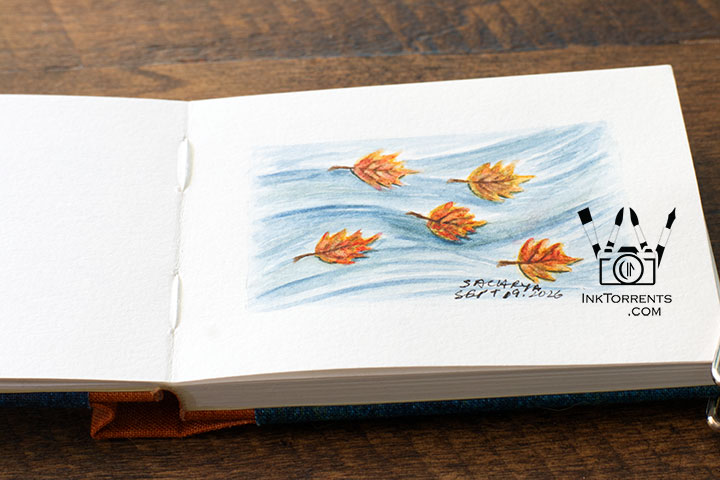
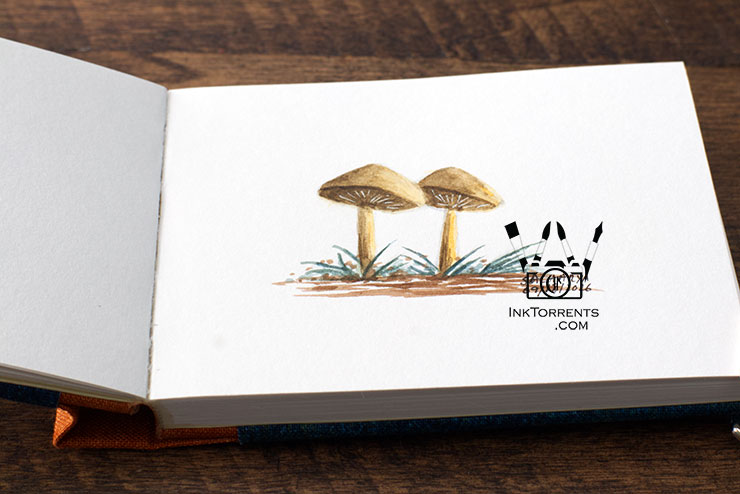
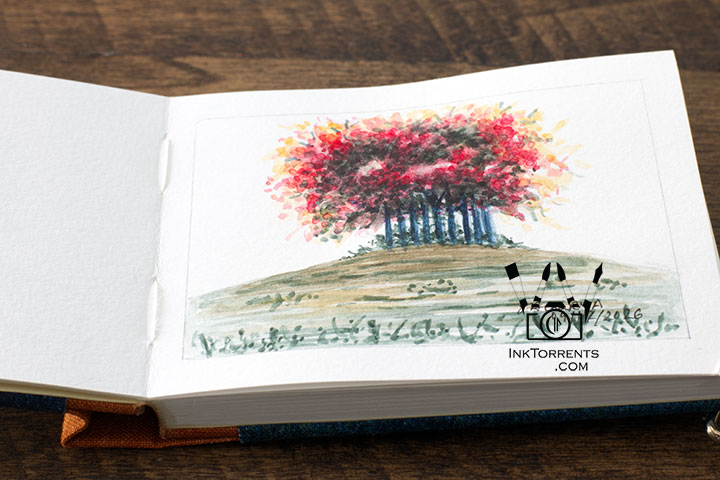
Window View
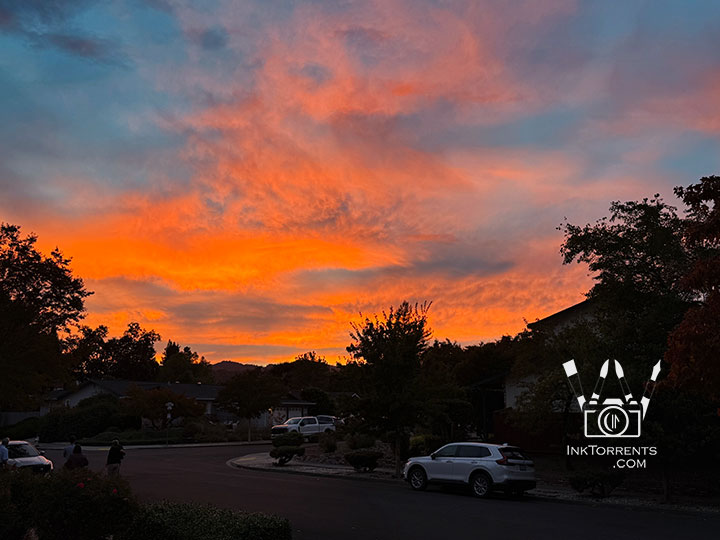
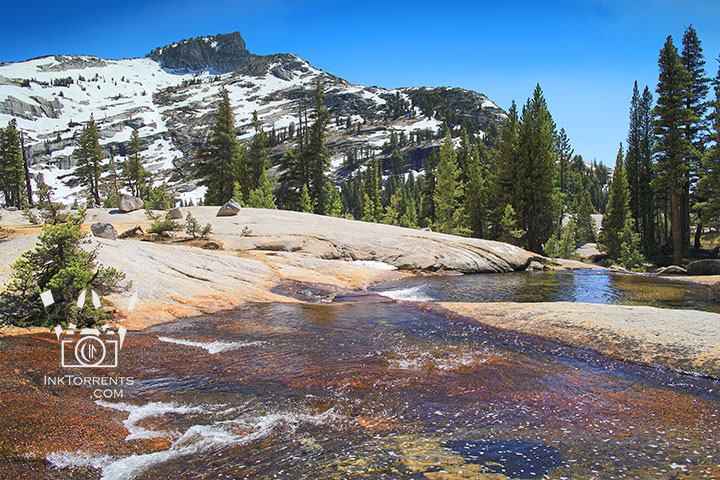
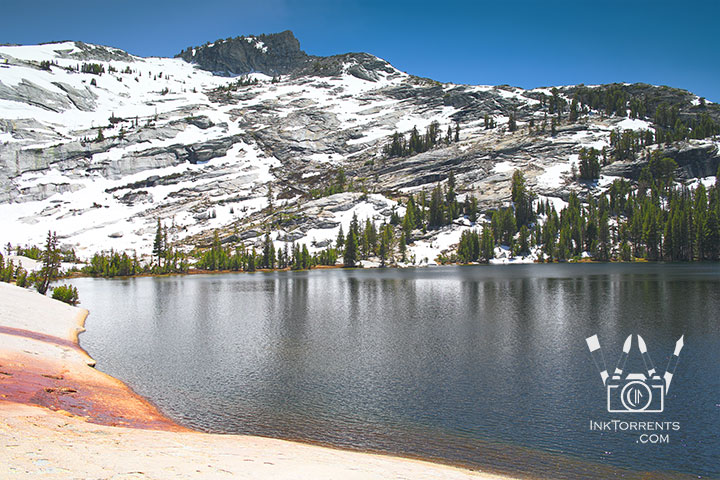
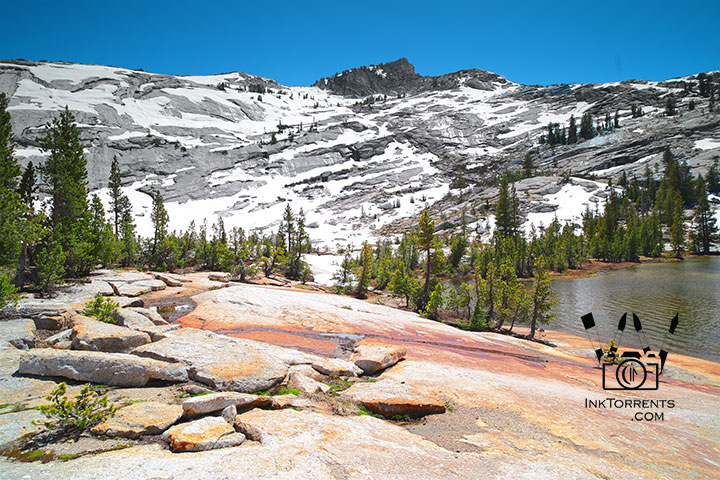
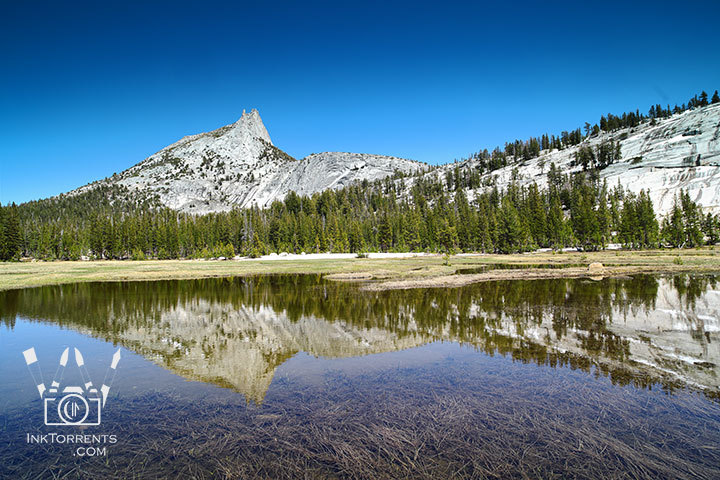
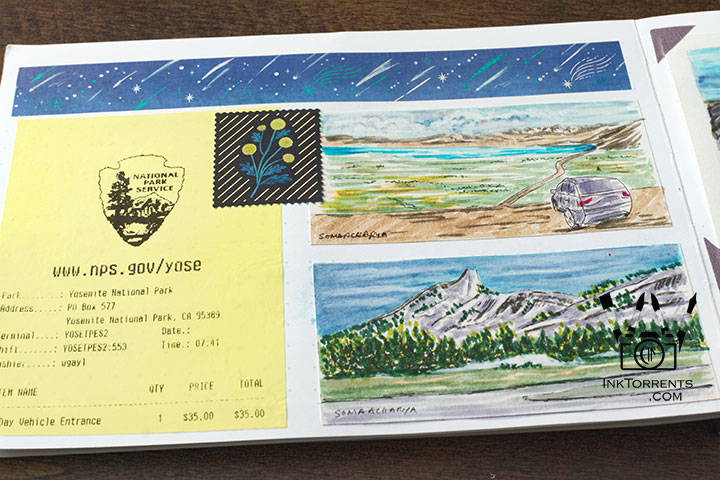
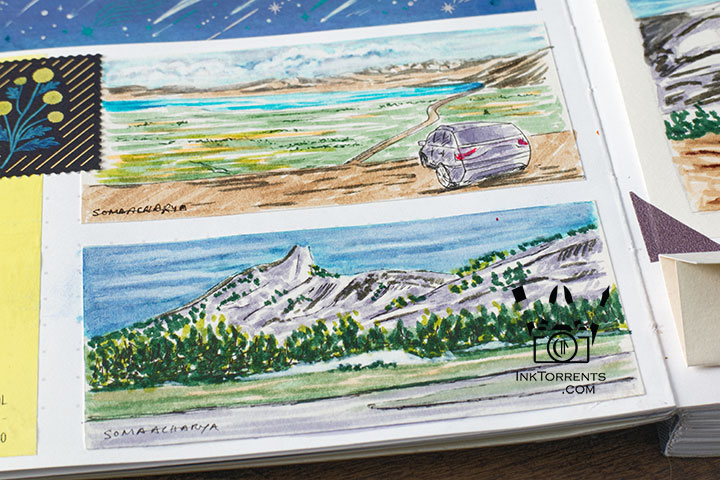
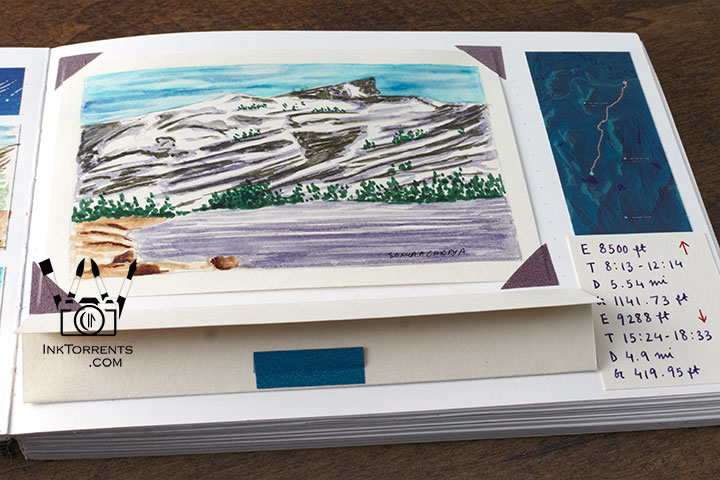
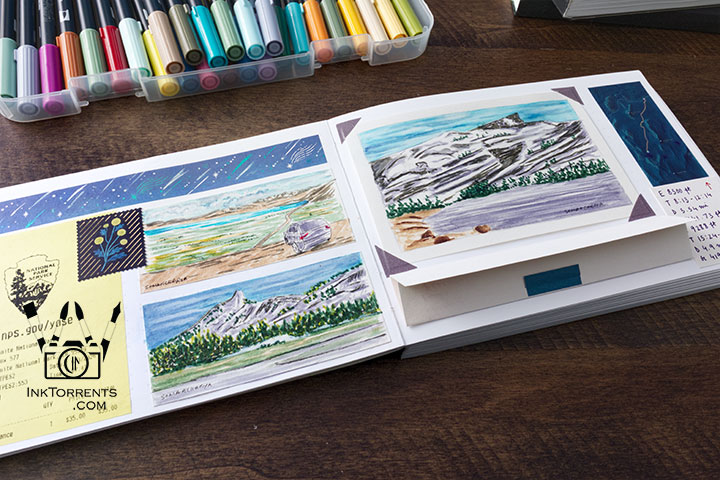
One of the prompts was window view. I did a mountain painting for that one. This was the actual window view from my atelier last week. Pretty spectacular, I think!
Butterfly Effect
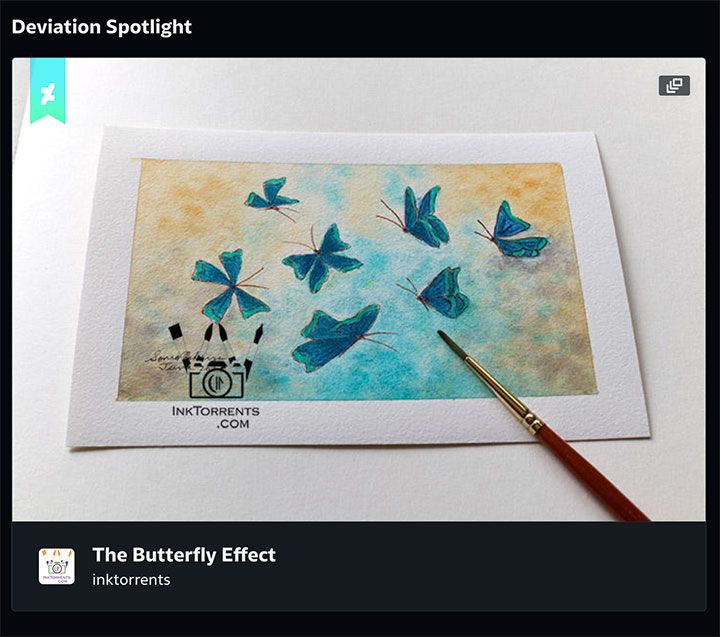
Deviant Art is a website for artists. I have been more active there recently. That Thursday morning I woke up to a lot of notifications and learned that my Butterfly Effect painting had been selected for the Daily Deviation with this message –
Daily Deviation
The Butterfly Effect by inktorrents
The suggester states: “Fabulous, delicate watercolors, from amazing gallery full of treasures!”
I had to check with Google as to what all that even meant. Once I was over the shock and surprise, I was super happy! I love being part of the supportive art community there!
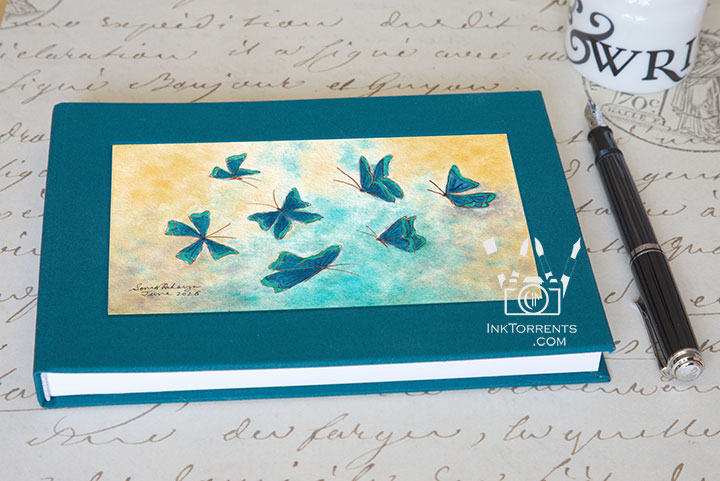
You probably remember this one from when I wrote this post about my handmade books – Small Worlds, Big Wonders
Such a great start to the day!!
Outside the Lines – Mistakes
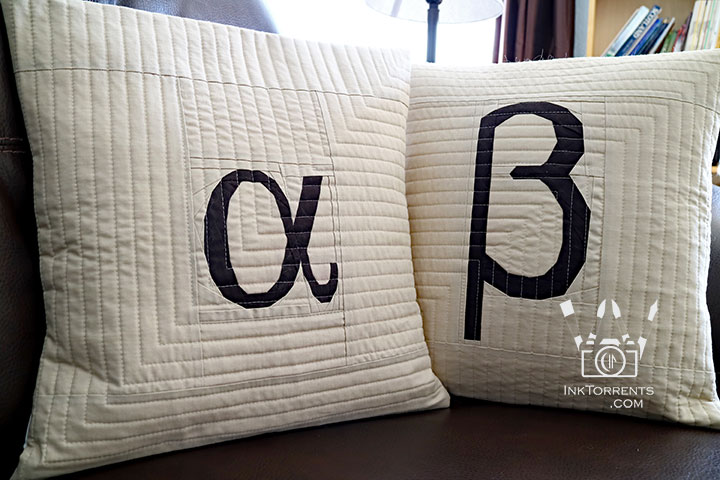
This one is a mishap. After finishing the first two letters of the Greek Alphabet quilt, I changed the quilt layout which required me to order more fabric.
In the meantime however, the dye lot of the fabric had changed. The khaki background fabric mismatch resulted in the extra alpha and beta blocks, but I am calling it serendipity. I would not have the pillows otherwise.
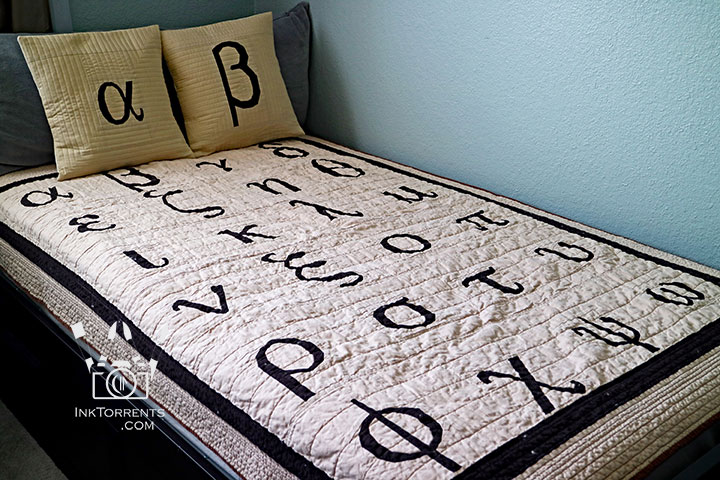
Here it is! My To Hellenikon or Greekness quilt and the two pillows. You can purchase the whole set here in my shop.
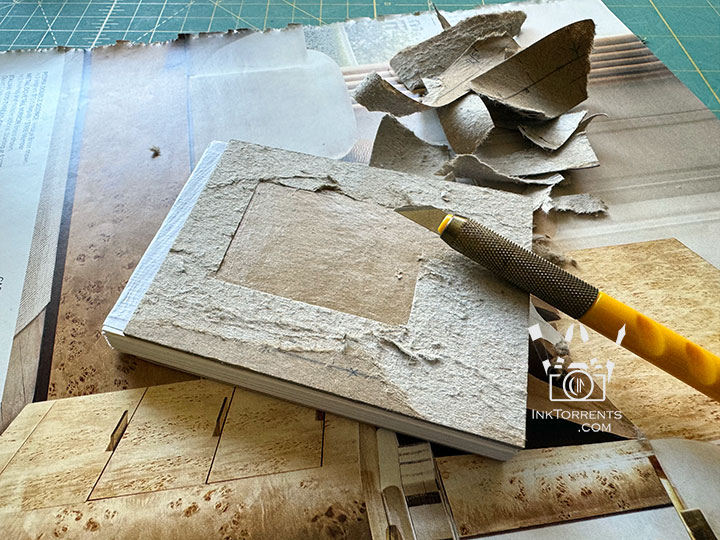
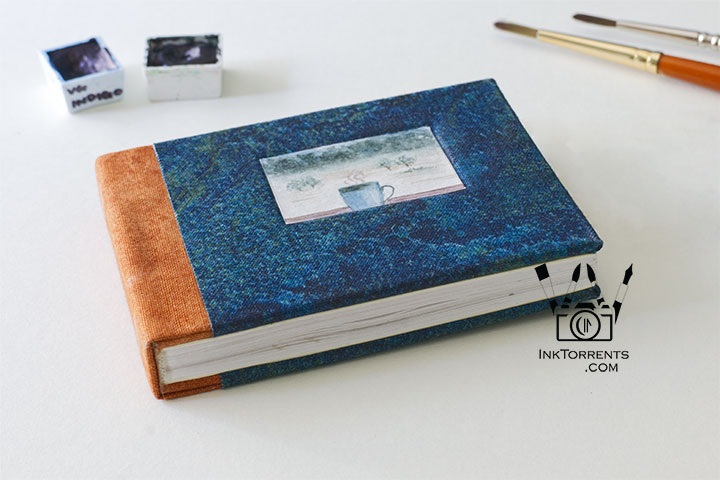
For my paintings, I made a book. I was trying out a new idea, and completely miscalculated the inset cutout for the cover art. I was about to remove all of the binding for a ground-up restart. Before all that I walked away to do something completely different and came up with a new plan.
I very gently pulled out the top layer of the board where the inset was already cut with a blade. I had to be careful not to damage the board too much.
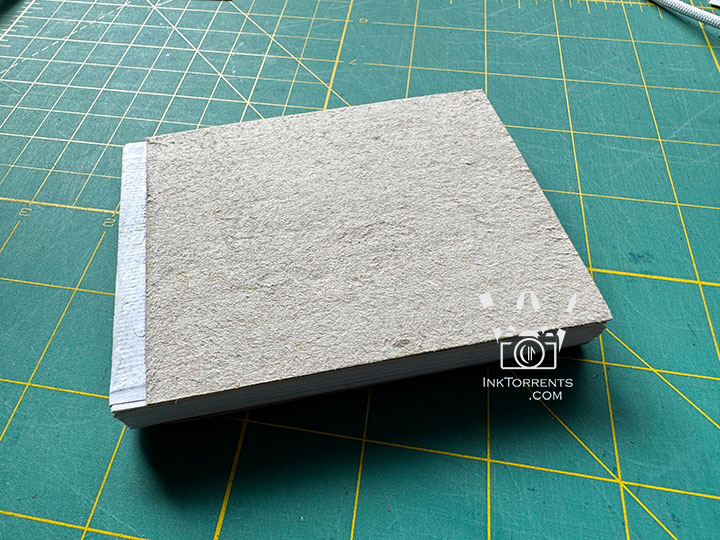
After a light sanding, I had a clean slate again. The rest of the binding went very well and my new idea was a success. Sometimes walking away is the key to doing the job extremely well.
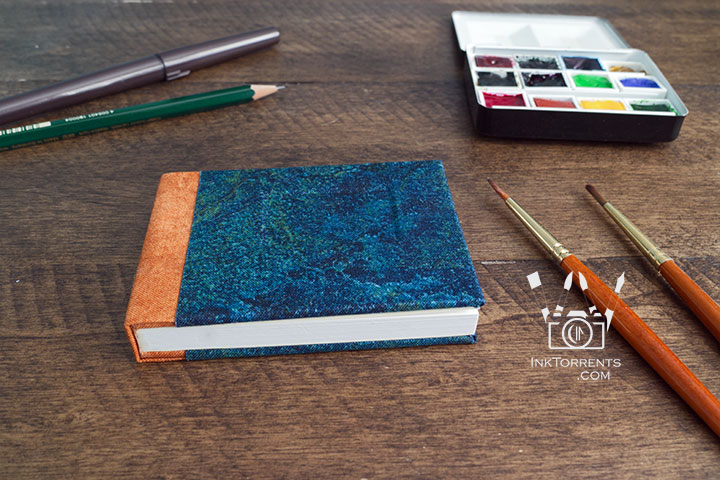
This one time, the mistake was reversible. Not to mention, the concept I was trying out was a super success!! I made the book cover cloths myself. Love the combination of fabric here.
I decided to do all my paintings in a sketchbook because I have a REALLY bad habit of restarting if anything goes wrong. The only way I can avoid that is by painting in a book.
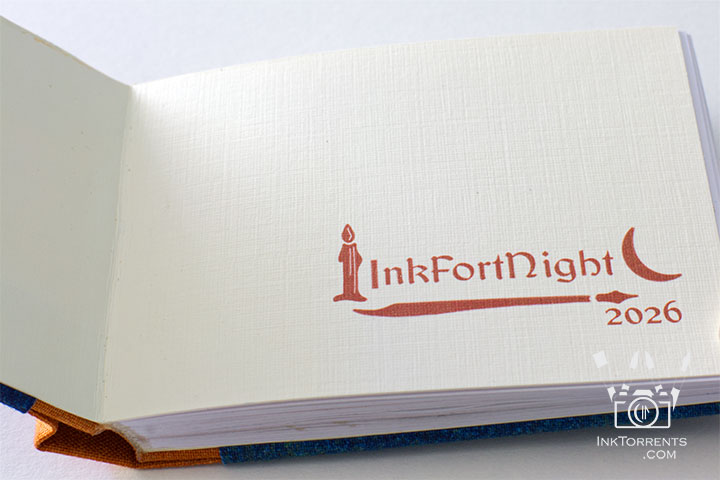
I also wanted to keep all the work in one place and make my first year of InkFortnight a little special.
I used Canson’s mixed media paper for this book. I was going to write about that for today’s Outside the Lines Art Supply Review. However, I will instead write about how I adapt and deal with mine when facing a mistake.
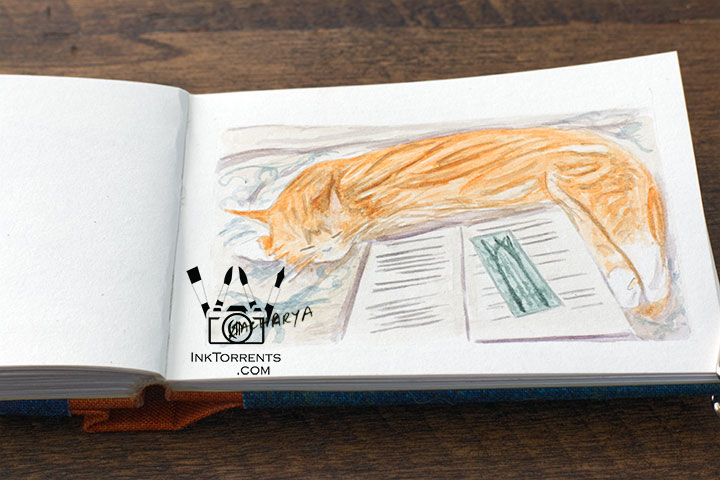
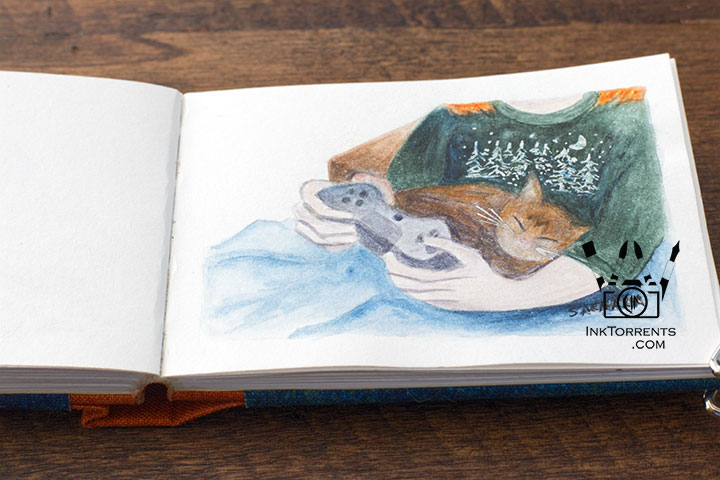
Prompt – Favorite cozy escape
I love playing video games while Pemberley snoozes on my lap. Canson’s mixed media paper is good for light watercolor, but certainly not as strong as a thick watercolor paper. I forgot to let the paper dry in between the wet layers, and paint seeped to the back of the paper.
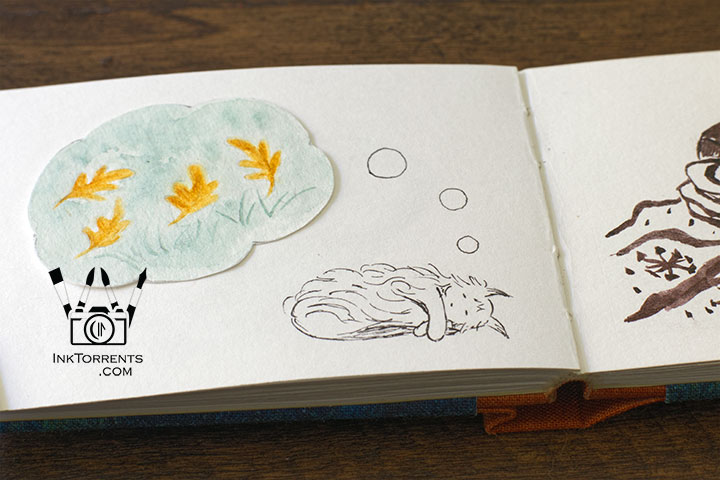
I skipped taking a photo of a singular green dot on this page. It bothered me enough that I had to come up with a solution.
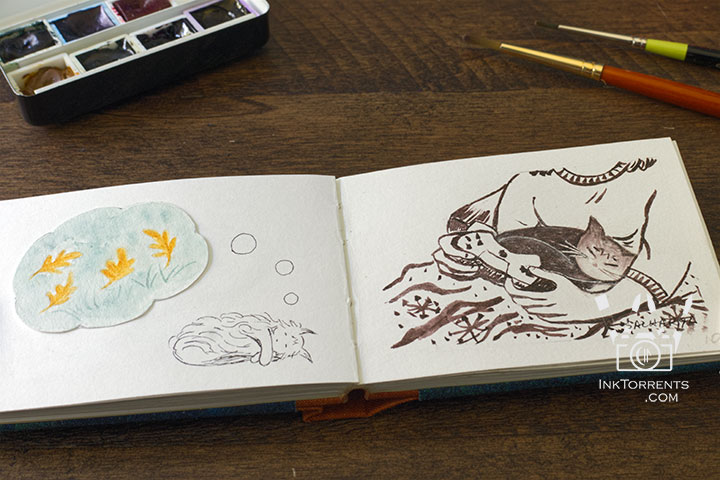
The idea: Create a dream bubble of the kitties in their favorite sleeping poses. Pemberley is super playful and active and has the coloring of an autumn forest. So I did leaves for her.
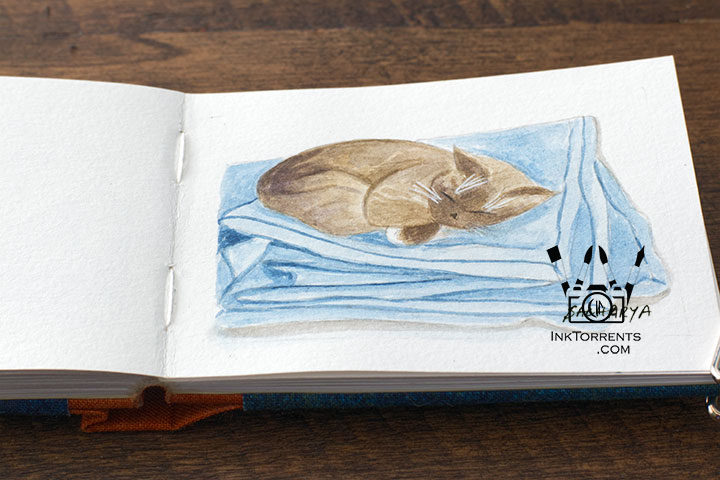
Folded Blanket
I hadn’t intended to do three kitty paintings, but now I had to keep the narrative consistent. So the dream bubble ended up not being a one-off, but more intentional. Merwyn loves to snuggle on quilts and blankets. I matched the color of the blanket with his eyes.
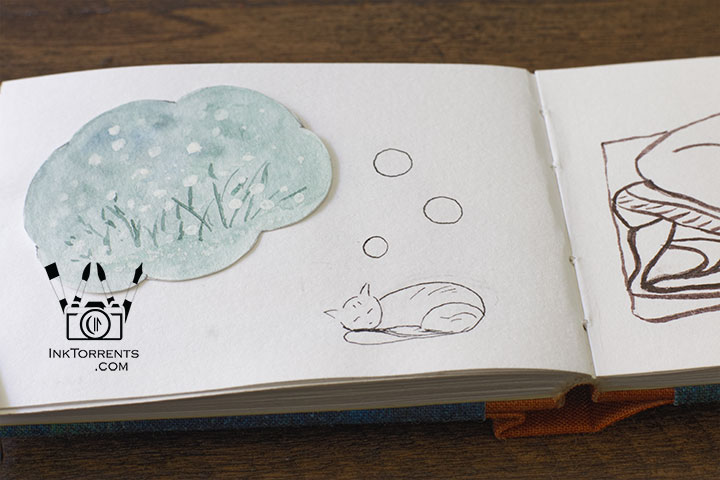
Merwyn loves the cold…
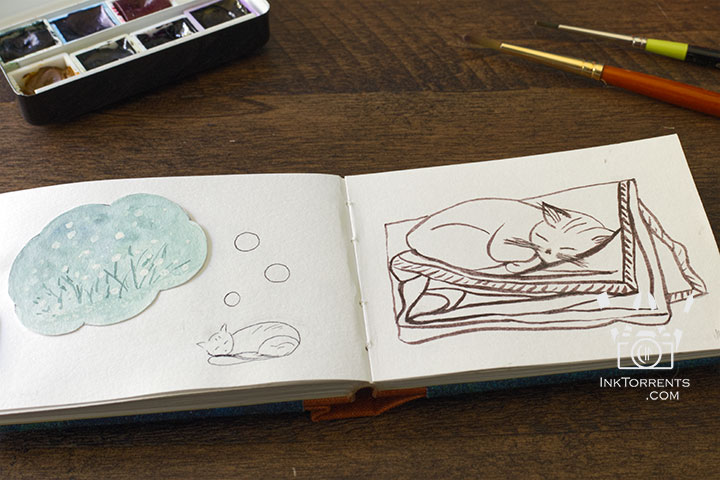
…so soft fluffy snow it is for him.
Book
Tavish is a giant fluffball who loves to sprawl by me while I read.
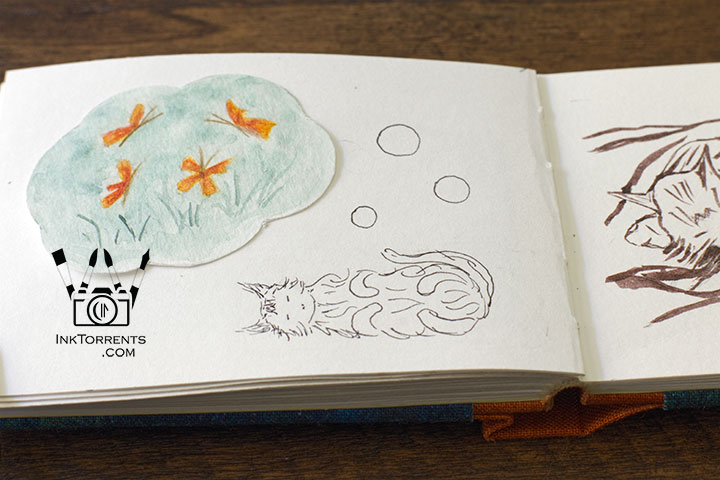
He sleeps on his back – all the time!! He is a very mellow cat who loves to observe insects rather than hurting them. So floating red butterflies were his dreaming buddies.
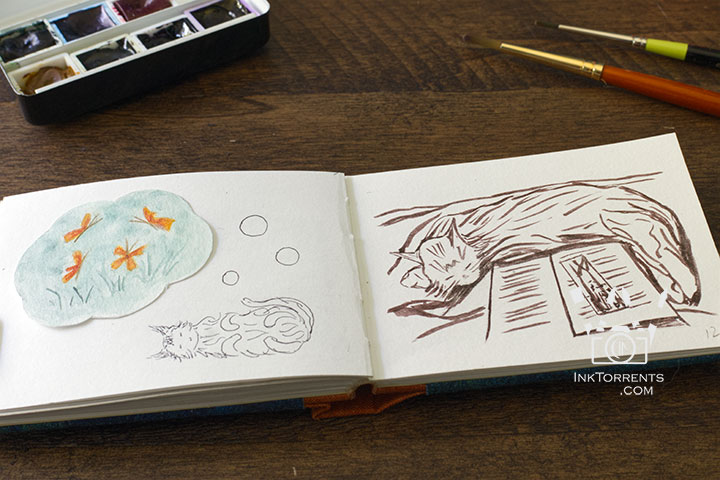
I also made all the dream bubble backgrounds green. While they are all in their own dream bubbles, they are never far from each other, should the need arise.
This time, to cover up one mistake, I worked to incorporate it into the whole book. Very often, mistakes are not reversible like it was for this book. I have learned to integrate mistakes into my work instead of restarting all the time. A deep breath and walking away is the first step. Now I not only have a book full of paintings to remind me of the wonderful time I had with my fellow artists and friends, but it has also become a little extra special.
That wraps up our InkFortnight journey for this year – A celebration of Quiet Earth.
I will leave the submission form up for a few more days in case anyone wants to share their work. The gallery, of course, will remain permanently. I will be hosting InkFortnight again next year for sure.
Have fun with those happy accidents and happenstances, and make them intentional!
Until next time,
-Soma
I am linking up with the linky parties on my Links page. Please pay a visit to some of them. Hosts of linky parties – please grab a photo of your choice for your party. Thank you for hosting!
Leave a comment